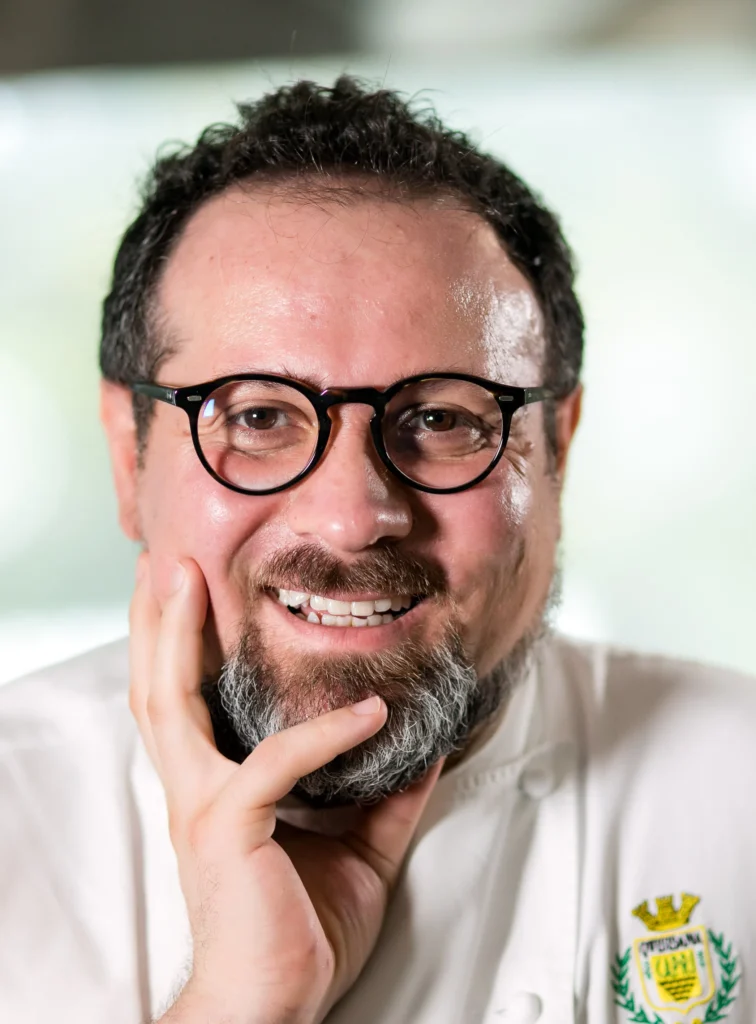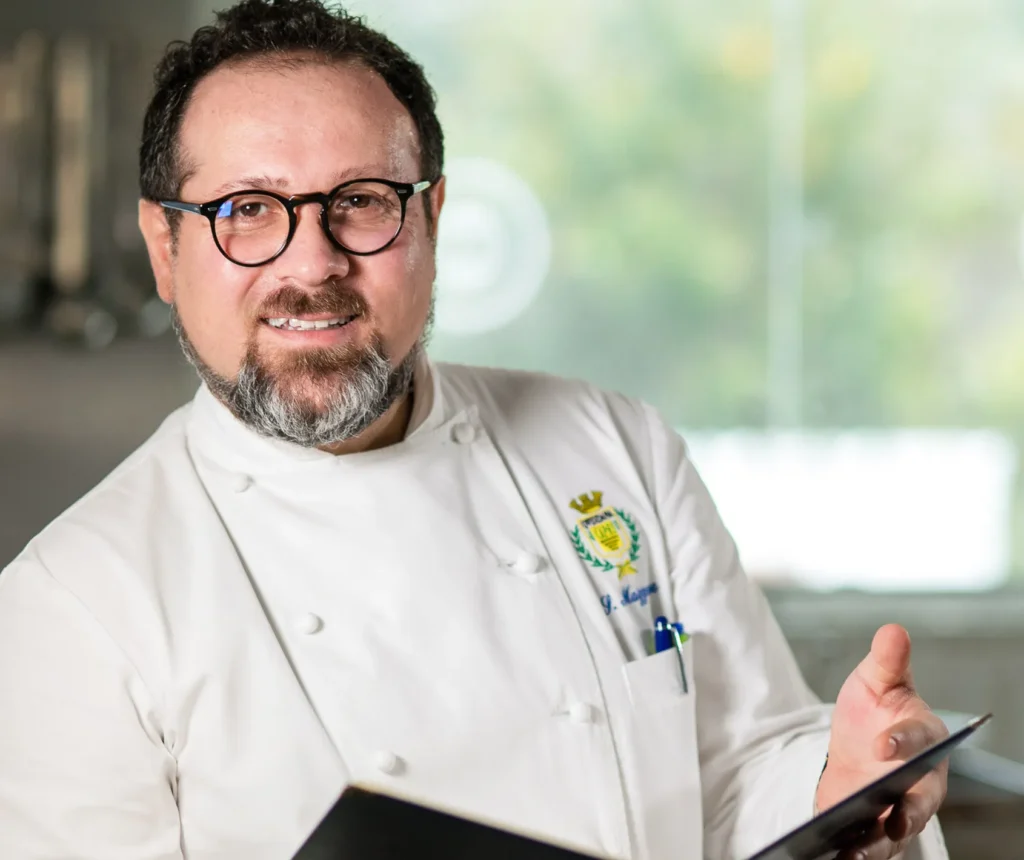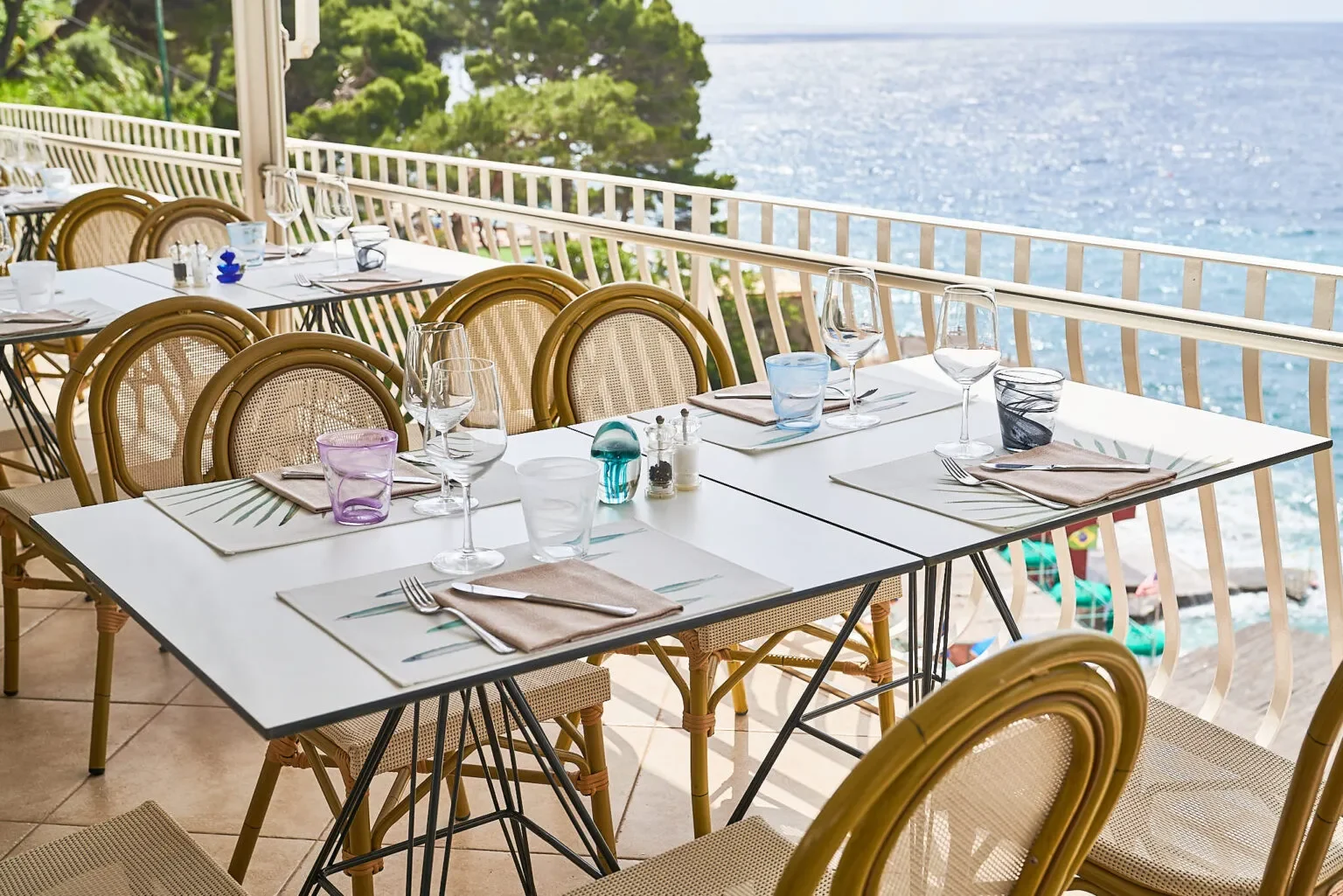



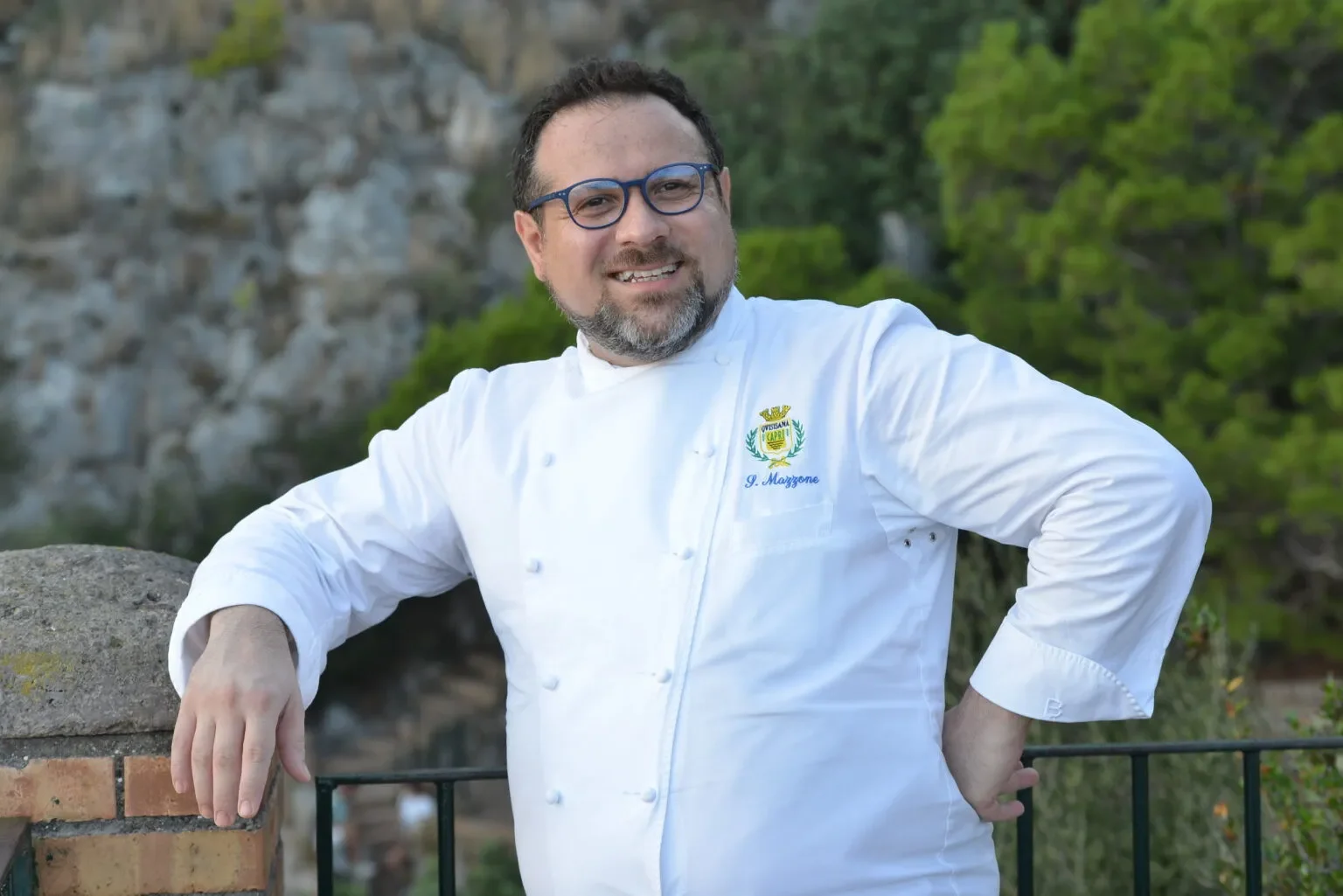
On the beautiful island of Capri, just a few steps from the famous Piazzetta, stands the majestic entrance of the Grand Hotel Quisisana. The hotel boasts a long history that intertwines with the lives of those who have stayed in its rooms: since 1845, distinguished guests have been drawn to its location and, above all, the quality services that have only improved over time. Among these, the cuisine is undoubtedly one of the most important aspects. Stefano Mazzone, chef of the Quisisana, explains the unique qualities of their culinary offerings across the hotel’s bars and restaurants.
From Treviso to Capri: Stefano Mazzone and Hotel Quisisana
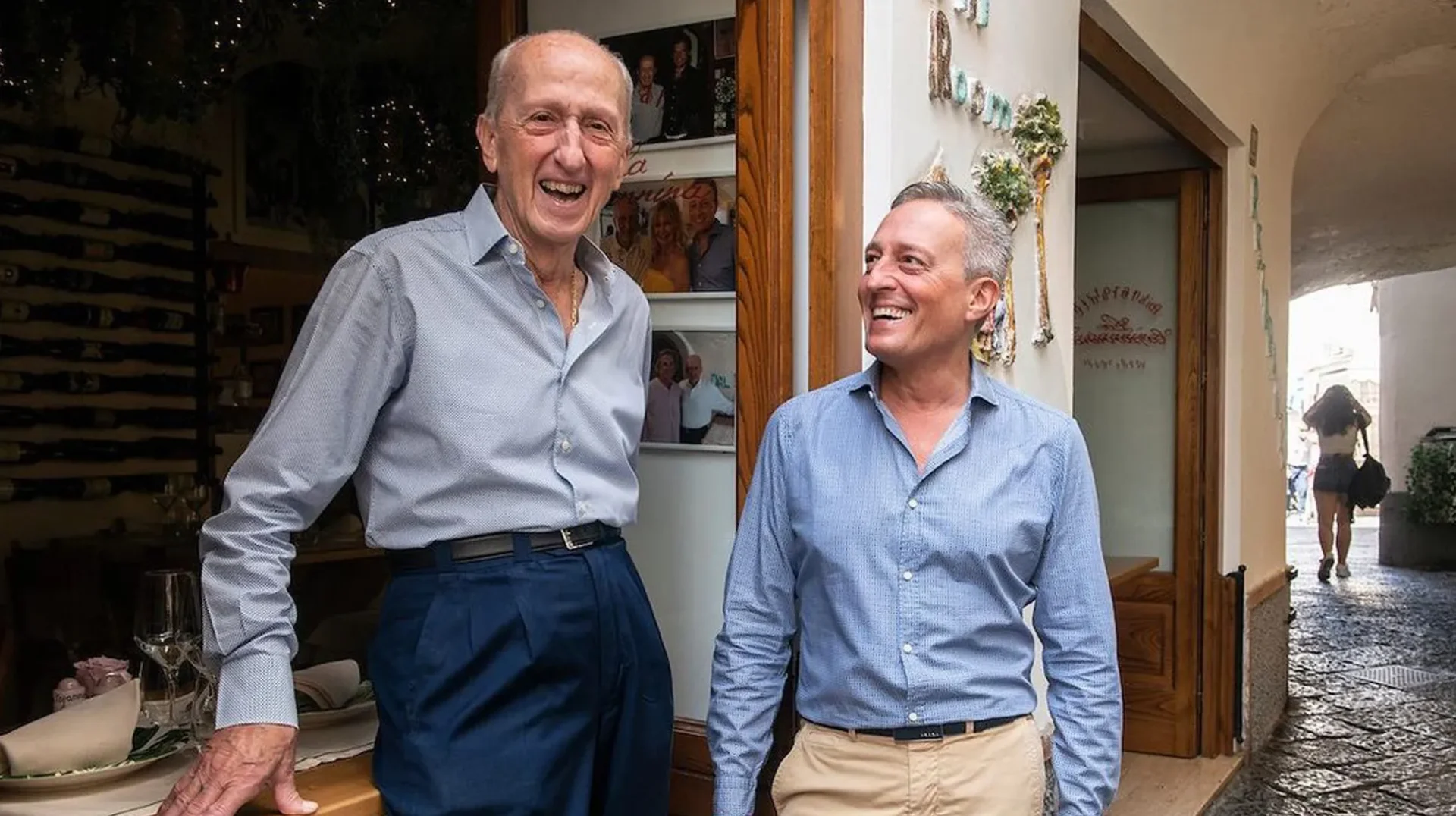
“My story at Hotel Quisisana began many years ago; in fact, I am the chef who has worked here the longest. I was born in Treviso and attended hotel school in Castelfranco Veneto, just a stone’s throw from Possagno, the birthplace of the great neoclassical artist Antonio Canova. It’s no coincidence that I believe this artistic period also represents my culinary style. My role at the Quisisana is that of executive chef, meaning I am responsible for everything related to food within the hotel.”
What does it mean to work at a hotel with a history as long as Quisisana’s?
“Having such a long legacy behind us, we feel that it’s our duty to tell this story through our dishes and the service we provide. We have an important past that deserves attention, and everyone involved—from the maître to the barman, from the chef to the concierge—has a great responsibility to carry forward the hotel’s tradition.”
The History of Hotel Quisisana and the Cuisine of Capri
The need to respect a long history has ensured that over time, the cuisine of Hotel Quisisana has remained firmly rooted in key pillars: tradition and the study of Capri’s past, working to present guests with a contemporary yet accessible offering. “Our guests show tremendous enthusiasm for our cuisine because it reflects the standards of Hotel Quisisana, an emblem of hospitality worldwide. We were founded in the late 1800s, during a time when hotels like ours were stops on the Grand Tour.
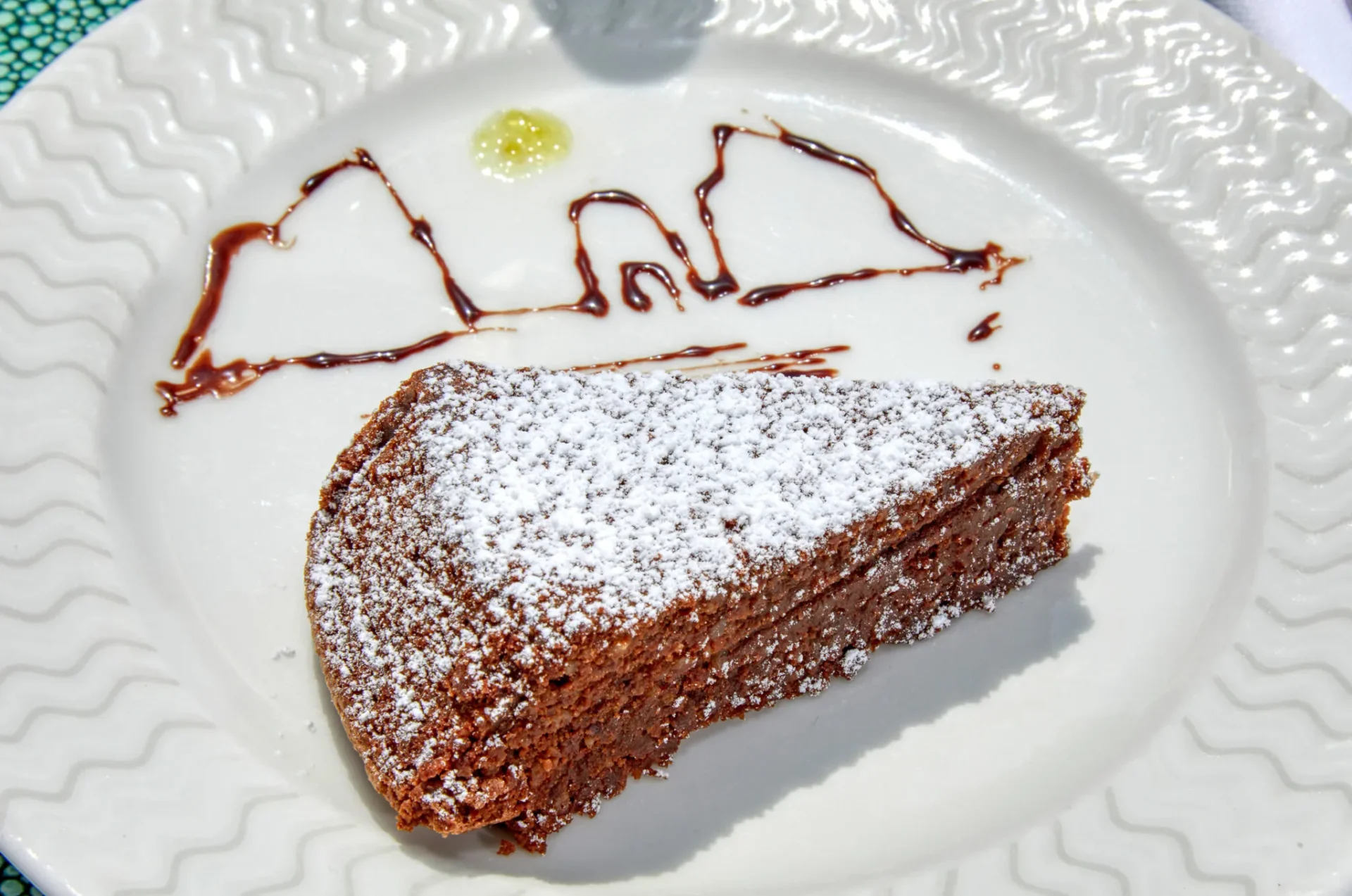
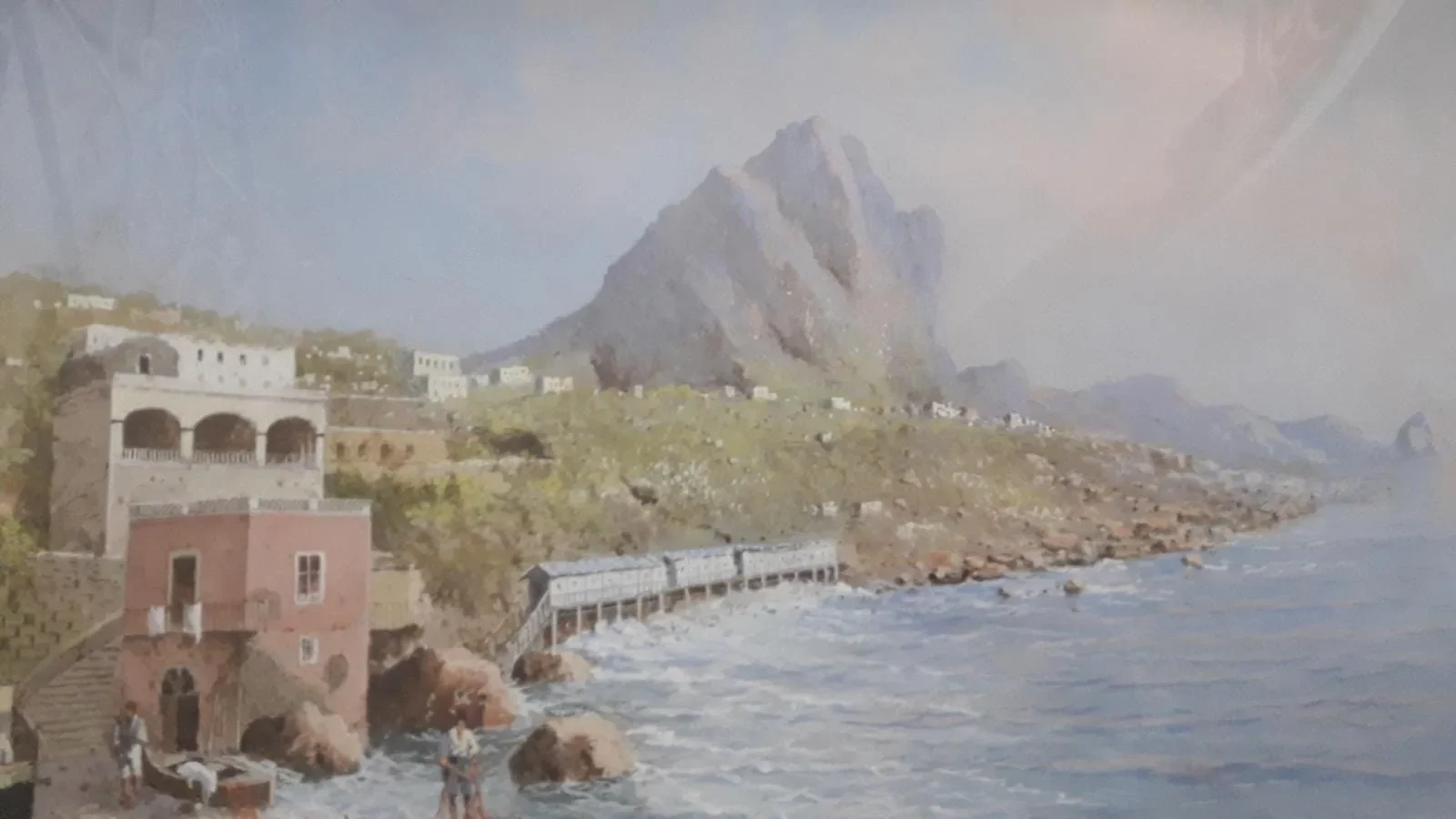
In these grand hotels, frequented by the European bourgeoisie, guests found a cuisine made from local products and traditional recipes, but also mindful of international trends, catering to their tastes. Regarding the first aspect, Capri’s culinary history is ancient, dating back to the arrival of Tiberius. By studying the island’s history, we’ve uncovered stories and anecdotes that we try to share through our recipes. For example, Capri is one of the most cultivated areas for legumes, including chickling peas. During the Bourbon era, there was a blend of French and Neapolitan cuisines, with rich influences—babà, gateaux, and pasta casseroles—that we now offer in a more modern style. Behind all of this is extensive research, knowledge, and respect for our culinary past.”
From Breakfast to Dinner, Every Meal is Served!
One of the most interesting aspects of hotel cuisine is having to cater to various types of meals, from breakfast to lunch, to aperitifs and dinner.
“Breakfast is the central hub of the morning in the kitchen: we have a very diverse and wide offering, knowing that even at this time we can communicate the hotel’s identity. Our selection includes atypical products for our region, like salmon, provided by Italy’s leading supplier, as well as more traditionally Campanian offerings, such as mozzarella, tomatoes, and freselle. There’s also room for sweets, from cakes to pastries. Essentially, each guest can find both a local touch and an international style in our breakfast, a blend of elements catering to different audiences.”
Discovering Capri on the Table at Quisisana
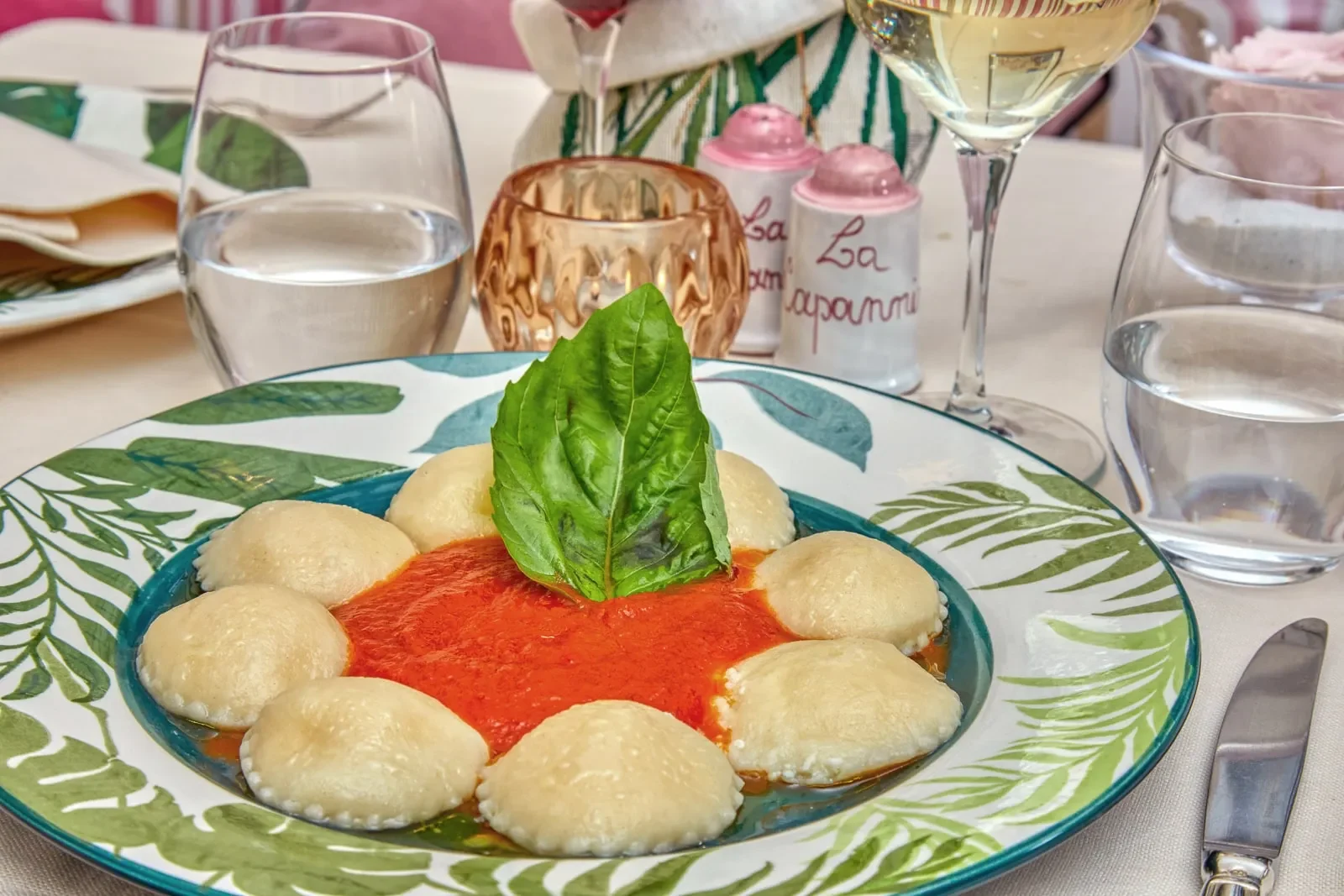
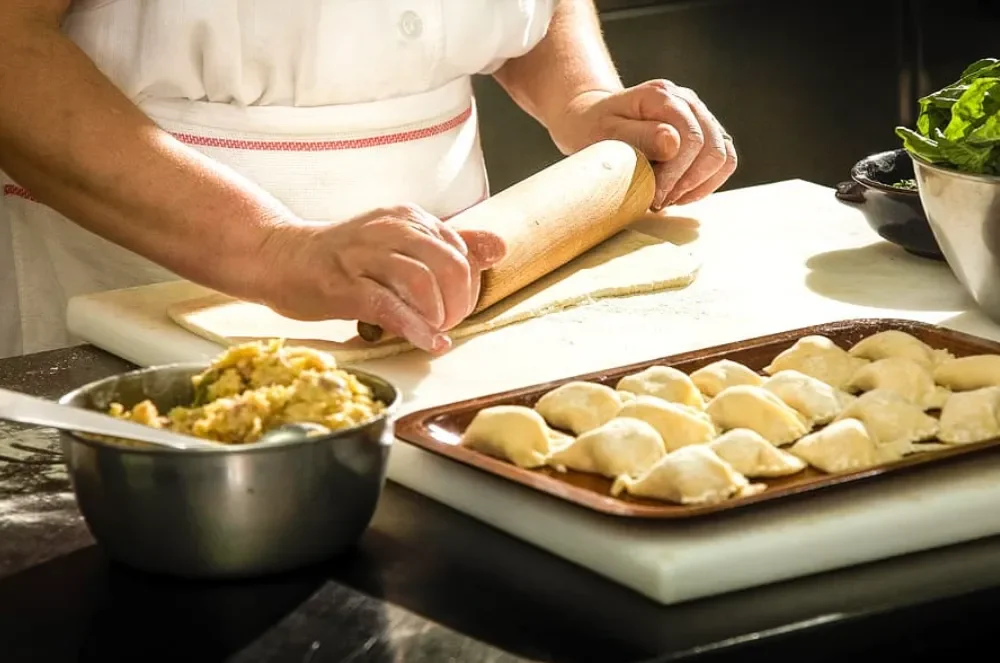
After spending the morning on the island’s beautiful beaches or exploring its treasures, guests return to the hotel to discover Capri through its cuisine. “For lunch, we focus on simple, straightforward dishes, with classic Campanian recipes like clams, pasta allo scarpariello, pizza, and grilled meats. The goal is to maintain the highest quality while offering a proposal accessible to everyone during the day, without too much effort.
In the evening, however, the menu becomes much more intricate: the dishes are still classics but presented in a more modern light, from high-quality fish to vegetables, often sourced from nearby gardens. However, we also offer meat dishes: during the Bourbon period, Capri was an important hunting area, particularly for quail, a product that remains in the tradition of Caprese cuisine and is thus still featured on our menu.”
Finally, after a full day immersed in the atmosphere of Capri, guests can unwind at the Quisisana Hotel bar. “The bar has a reputation that extends far beyond the hotel itself, so much so that it features cocktails created right here, such as the Princess. But the offering is truly vast, moving between great classics and a more experimental selection, paired with high-quality liquors. In addition to this, we offer food that steers away from the typical ‘apericena’ style, instead focusing on elegance and quality, making it a unique proposition.”